7 E. Silver Springs Blvd., Suite 300, Ocala, FL 34470

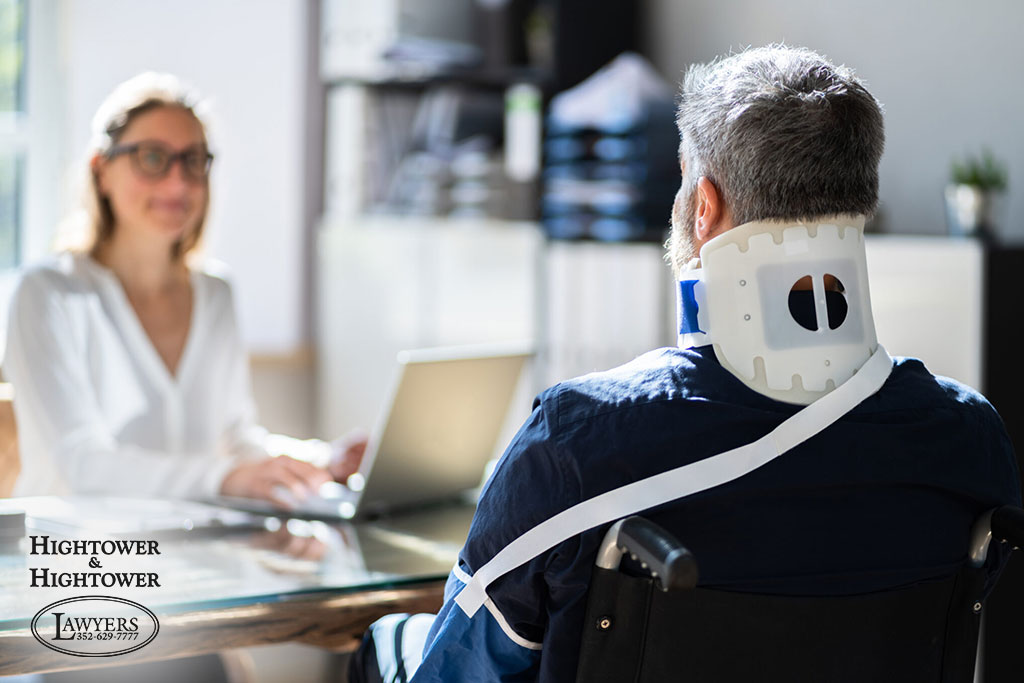
We rarely get a warning before life changes forever. One moment, you’re driving home from work and the next, you’re waking up in a hospital bed after a life-changing injury. Will someone be held responsible? How will I pay for this? Will I get back what I’ve lost? You might have many questions, and they certainly deserve an answer. If a catastrophic injury has suddenly changed your life or that of a loved one, this guide explains how Florida’s injury laws can help you recover what you’ll need to pay for medical bills, lost income, rehabilitation, and more. You don’t have to figure out the next steps alone.
How a Catastrophic Injury Affects a Personal Injury Lawsuit
When an accident victim is hurt due to the fault of another, a personal injury lawsuit is how they’d legally approach receiving fair and just compensation for the injury. That compensation is referred to as damages, or losses, and the extent of the injury will determine the amount received at the time of settlement. A catastrophic injury is different from an average personal injury case because the victim has suffered from a severe injury that they will never recover from. They could have difficulties like being in a wheelchair for the rest of their lives, needing daily assistance, etc.
All of these things would cause the amount the victim receives to increase. For example, if the injured person earns most of the family’s income and becomes incapacitated, the household budget may fall apart. Courts look at these things, like reduced earning power, the cost of making your home/vehicle handicap accessible, and the emotional pain of facing permanent limitations. Catastrophic injury lawsuits may take longer because of all of this, and any major changes to the household or permanent impairments to the person have the potential to increase the settlement amount.
When is my injury severe enough to be considered catastrophic?
When a severe injury results in permanent impairment or disability, it is considered catastrophic under Florida law. If it affects daily activities or bodily functions such as talking, walking, and caring for oneself, it may be serious enough to be considered catastrophic. Examples of these injuries include spinal cord injuries resulting in paralysis, traumatic brain injuries, limb amputations, blindness, and severe burns.
Traumas this severe, such as paralysis or losing a limb, usually require long hospital stays and surgeries, extensive rehabilitation and therapy, plus help with everyday living for the rest of the accident victim’s life. Damages are intended to restore the victim back to where they were pre-accident, as much as possible.
Does an injury need to be catastrophic to receive damages?
No. Many people get into some kind of accident or incident without suffering from a severe permanent injury. These accident victims can receive damages for less severe traumas, such as broken bones or neck injuries. Catastrophic injuries are different in that they generally result in larger settlements, because of the lasting impact the injury has on the individual’s life.
Common Causes of Catastrophic Injuries
In most personal injury cases, someone is held responsible for the accident because they failed to act with proper care. This is also called negligence, which is when a person or company doesn’t take reasonable steps to keep others safe. Some of the most common causes of catastrophic accidents include:
- High-speed wrecks, truck collisions, and car accidents.
- A sudden fall down stairs or from a ladder.
- Heavy machinery, faulty construction equipment, or unsafe working conditions.
- Defective products like airbags, collapsing balconies, or unsafe power tools.
When careless actions of another lead to permanent injuries, the law allows the injured person to seek compensation.
Who is the negligent party in my case?
Let’s explain with an example: If a truck driver runs a red light because they are texting and the resulting accident causes permanent brain damage to another driver, the truck driver (and usually the trucking company) can be held responsible for the accident. This behavior would have breached the driver’s duty to drive with reasonable care, and it would be negligence. Your attorney can help determine who would be responsible for your accident upon looking at any presented evidence.
What happens if I am partially at fault for the accident?
Florida divides accident responsibility sort of like slices of a pie, following a comparative fault system:
- If you are found to be more than 50 percent at fault, you cannot recover any money.
- If you are found to be 50 percent or less at fault, you can still get compensation, just not the full amount.
Let’s say your case is worth $500,000, but the jury decides you were 25 percent responsible for the accident. Your final award would be reduced by 25 percent, leaving you with $375,000. On the other hand, if they decided you were 65 percent at fault, you wouldn’t get anything at all. You’re only eligible to receive the full amount of compensation if you are found to be 0 percent at fault for the accident.
How is fault proven in my case?
Your lawyer’s job is not just to prove that you were injured, but to prove how and why someone else’s carelessness caused that injury. This typically involves gathering photographs or video from the crash scene, accident reports, expert analysis, witness testimony, and any other documentation that helps explain exactly what happened and shows that you did not cause it.
What does my lawyer do to prove the extent of my injury?
Your lawyer should gather up medical records and may consult with other experts to establish a timeline of exactly how the injury has disrupted your life. This would be to show how it’s impacted your ability to live as you did before, and earn a living wage.
Your own personal journal entries, photographs of your injury, and videos of your difficulty completing daily tasks post-injury may contribute to this proof. Family and friends can also provide their testimonies, describing how the injury has made tasks you did before much harder. Your lawyer will go through hundreds if not thousands of pages, and use those materials to support your claim.
How long does a catastrophic injury lawsuit take?
Most personal injury cases, especially those involving catastrophic injuries, can take several months to a few years to fully resolve. That timeline depends on a few things:
- First, your medical treatment should be mostly complete or at least stable. Doctors call this “maximum medical improvement,” meaning your condition isn’t expected to change much going forward. This is important because it helps your lawyer understand the full impact of your injuries, and it will cover how much the injury has cost you already and what it’s likely to cost in the future. Rushing to settle your claim before that point could mean settling for less than you actually need and deserve.
- Next, your lawyer will spend time building your case by gathering evidence, and sometimes working through negotiations with the insurance company. If the other side is willing to settle for full value and negotiations go smoothly, your case might wrap up sooner than later. If the case goes to trial, or there are disagreements about who’s at fault or how badly you’re hurt, it can take a few years or longer. Legal procedures can add time, and it can be a long process, but a thorough process usually leads to better results.
A good lawyer won’t push you to settle quickly if it means walking away with less than you are entitled to recover by law and move forward.
Moving Forward After a Life-Changing Injury
The ripple effect of a catastrophic injury is undeniable, but you don’t have to face it all on your own. Florida law offers different paths for getting help, depending on the details of your accident.
At Hightower & Hightower, we also know that the legal system can feel confusing, especially when you’re just trying to get through the day. As your trusted personal injury lawyer, we promise to listen to your story and walk with you every step of the way. No one plans for an injury that changes everything, but knowing who can help you move forward can make all the difference in recovery. You deserve time to heal and support that lasts.
If you or a loved one has suffered from a catastrophic injury or accident, don’t wait to get the answers you need. Contact Hightower & Hightower, P.A. for a free, no-obligation consultation as soon after the incident as possible for legal advice and so we can gather and preserve favorable evidence while it is still available. We’re here to listen, and we’re always ready to help. Proudly serving Marion County and the surrounding communities since 1976.
One final note. Florida law does NOT require other passenger vehicle owners to have bodily injury liability insurance. So it is VERY important that you buy and have as much Uninsured/Underinsured Motorist insurance coverage as you can afford.