7 E. Silver Springs Blvd., Suite 300, Ocala, FL 34470

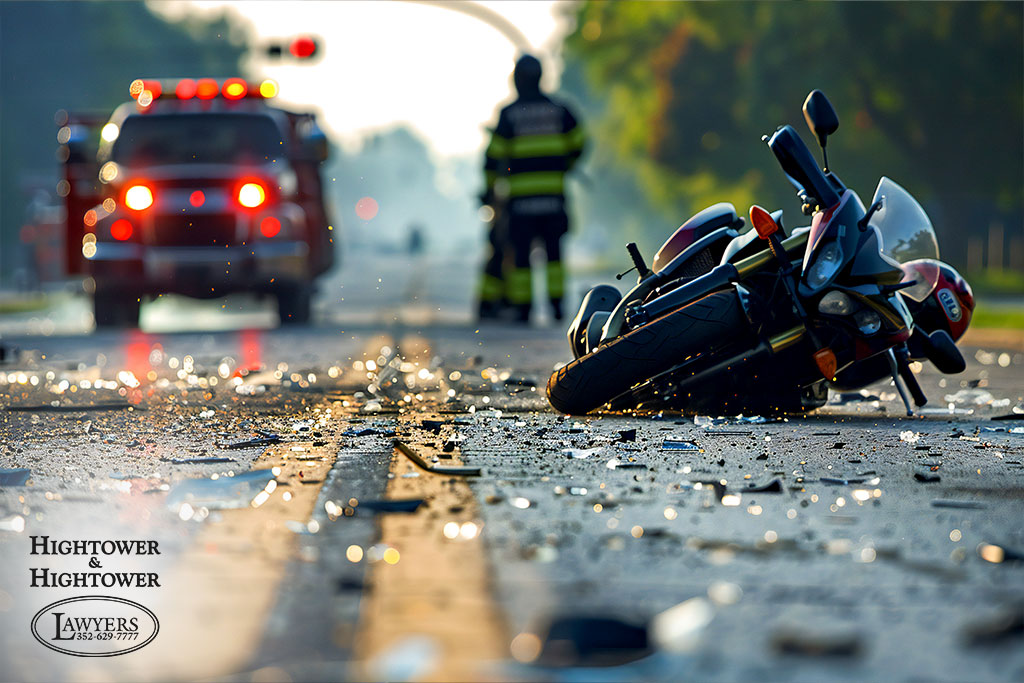
Florida’s warm weather and scenic roads make it enjoyable for motorcyclists, as we see many of them visit the state each year. Unfortunately, this also means we see very high crash rates. In 2024, there were over 9,000 motorcycle accidents across the state that resulted in severe injuries and many fatalities. These accident victims are usually left with mounting medical bills, lost time at work, and long-term care costs, with some facing physical, emotional, and financial hardships that can last a lifetime.
Knowing what steps to take before, during, and after a crash may increase your chances of securing full compensation for these losses. If you’re unsure about available legal options after a motorcycle accident, our attorneys are here to help.
Motorcycle Accidents in Marion County, Florida
Several factors contribute to Florida’s high accident numbers, including heavy traffic, unpredictable weather, and a high number of tourists unfamiliar with local roads. Additionally, Florida’s helmet law, which allows riders over 21 to forgo a helmet under certain insurances, may contribute to the severity of crash injuries.
That’s why it’s important for motorcyclists to take safety precautions. Wearing protective gear and staying alert may reduce the chances of a serious accident, and maintaining proper insurance coverage will keep riders protected. For 2024, Marion County reported 195 motorcycle crashes and 13 fatalities. Data on these incidents is available through the FLHSMV Crash Dashboard, which tracks crash statistics across the state.
Preparing Before a Motorcycle Accident
Regarding helmet use, Florida law requires riders under 21 to wear a helmet unless they have specific insurance coverage, or at least $10,000 in medical benefits. It is important to note that standard auto Personal Injury Protection (PIP) typically does not cover motorcycle-related injuries. If in a crash, proof of insurance must be provided through a health insurance card or policy declarations page.
There are also exceptions to Florida’s helmet law. Riders 16 or older operating certain low-power motorcycles (those with an engine displacement of 50 cc or less, producing no more than 2 brake horsepower, and with a top speed of 30 mph on level ground) are legally allowed to ride without a helmet. Anyone under the age of 16 is required to wear one at all times.
Individuals operating a motorcycle with an engine larger than 50 cc must have a motorcycle endorsement on their driver’s license or hold a “Motorcycle Only” license. Failing to obtain the proper credentials is a violation of Florida law.
Regardless of the law, wearing a DOT-approved helmet will reduce the risk of severe head injuries. Riders looking to improve their safety skills can enroll in programs like those offered by Ride Smart Florida, which focus on accident prevention and best practices for navigating Florida’s roads.
What to Do at the Scene of a Motorcycle Accident
Even the most cautious riders are not immune to crashes. If possible, first move to a safe location away from oncoming traffic and check on others involved to see if they need assistance. Calling 911 should be the next priority, as law enforcement and medical personnel will document the scene and provide emergency care. A police report will serve as key evidence if legal action or an insurance claim follows.
Do not admit fault at the scene. Even a simple apology can be used against an individual later. Liability is determined through a full investigation. Instead of apologizing, focus on collecting evidence. Take photos of injuries, vehicle damage, and road conditions. If there are witnesses, gather their contact information and make note of any relevant details, such as weather conditions and time of day. If there is a dashcam or helmet camera, this footage can also be useful.
Even if injuries do not seem serious at first, seeking medical attention is always recommended. Internal injuries, concussions, or soft tissue damage may not present immediate symptoms but can become serious without proper treatment. A medical evaluation also provides documentation that may be necessary for legal claims as well.
Your Motorcycle Accident Lawyer in Ocala
Once the immediate crisis is handled, the focus shifts to recovering losses associated with the accident. Losses may include:
- Medical expenses such as hospital stays, doctor visits, and rehabilitation
- Lost wages, including earnings lost during hospitalization or recovery
- Property damage, such as repairs for the motorcycle and related gear
- Pain and suffering due to emotional distress, including anxiety or PTSD stemming from the incident
Taking the right steps at the crash site strengthens your position if you pursue compensation for medical expenses and other damages. If you’ve been injured in a motorcycle accident, Hightower & Hightower, P.A. can help you recover these losses. Don’t navigate the legal process alone. Contact our motorcycle accident lawyers in Ocala today, and let us advocate for the compensation you deserve.